The Crew Complement Calculation: Judging Single-Pilot Charter in 2026
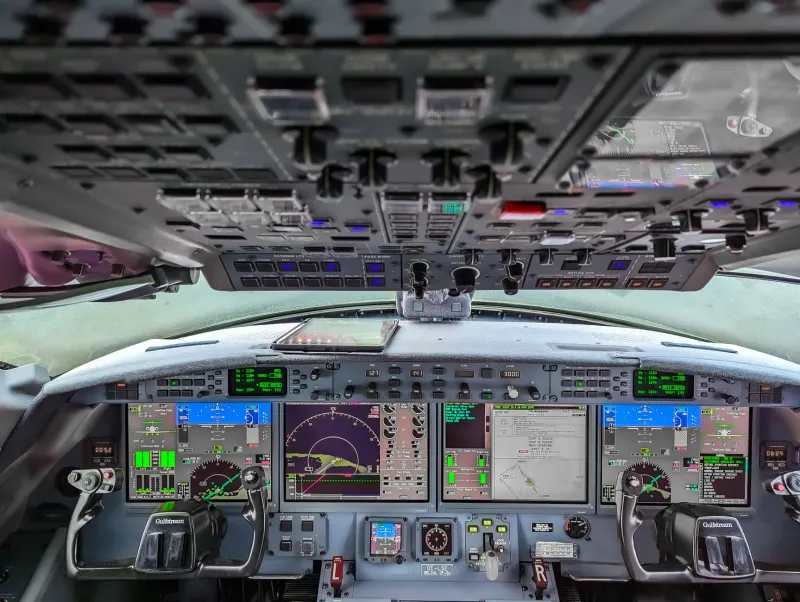
Single-pilot operation has moved from a niche configuration to a routine talking point in UK charter discussions. Light jets and turboprops are frequently presented as single-pilot certified, and the implication is often that fewer crew means a leaner, more efficient arrangement. Efficiency is possible, but it is not automatic. For a UK buyer, the relevant question is not whether an aircraft can be flown by one pilot, but whether a particular flight, on a particular day, under a particular operator, should be.
That distinction matters because crew complement touches certification, insurance, duty limitations, passenger handling and route suitability at the same time. A single answer on any one of those points is insufficient. The practical approach is to treat crew count as a system decision and to test it against a short but specific framework before the quote is accepted.
Certification is not the same as approval
The first layer is the aircraft. Single-pilot operation requires that the type is certified for it, and that the operator holds the necessary approvals under its Air Operator Certificate or equivalent permission. An aircraft may carry single-pilot certification while the operator's manual, training regime or national authority approval still requires two pilots for certain operations. Buyers should ask directly whether the specific registration and operator combination is approved for single-pilot flight on the planned route, and whether that approval is unrestricted or subject to conditions.
In the UK context, the Civil Aviation Authority's framework and the operator's own operations manual are the operative documents. A broker's statement that the aircraft is "single-pilot certified" is a starting point, not a conclusion. The useful question is: what does the operator's approval say about this flight?
The insurance endorsement you have not seen
Insurance is where single-pilot arrangements often acquire quiet conditions. Hull and liability policies may include warranties or endorsements that require two pilots for night operations, for flights into specified airports, for sectors above a certain duration, or for particular weather minima. These conditions are not always visible in the charter agreement, and they may not be volunteered at the quotation stage.
A buyer does not need to see the full policy, but it is reasonable to ask whether the flight as proposed falls within the policy's single-pilot terms without endorsement. If the answer is qualified, the operator should explain what would change the crew requirement. This is not an adversarial question. It is the same discipline a buyer would apply to any other material condition of carriage.
Duty limits and the cost of a delay
Single-pilot operations are subject to flight time limitations that are typically more restrictive than those for two-crew operations. The difference may be modest on a short sector with a clean schedule, but it becomes material when a delay, a diversion or an unplanned hold extends the day. A two-crew aircraft can absorb some disruption that a single-pilot aircraft cannot, because the second pilot provides relief and redundancy within the duty scheme.
For UK buyers, the practical test is to ask how the operator's flight time limitations scheme treats the planned day, and what happens if the return slips by two hours. If the answer is that the pilot would approach the limit and the flight would need to be re-crewed or postponed, the apparent efficiency of one pilot has a contingency cost. That cost belongs in the comparison, not outside it.
What the cabin expects of a second pilot
On a light jet or turboprop, the second pilot is not only a flying crew member. In practice, they often absorb passenger handling, liaison with handling agents, and the small administrative tasks that keep a short turn efficient. When only one pilot is present, those tasks fall to the pilot or to the passenger. Some buyers are comfortable with that; others are not, particularly when the cabin includes senior executives who expect a discreet and uninterrupted service.
There is also the matter of pilot incapacitation. Single-pilot operations rely on the pilot's fitness and on procedures for the unlikely event of incapacity. Passengers should understand what those procedures are, and whether a cabin crew member is present to assist. For a short daytime sector with one or two passengers, this may be a reasonable arrangement. For a longer sector with a fuller cabin, it deserves closer scrutiny.
Matching the route to the crew
Route suitability is the most variable factor. A single pilot is often well matched to sectors of an hour or so, operating from familiar airports in benign conditions. The calculation changes with night operations, low visibility, complex airspace, short runways, or destinations where handling support is limited. Some operators apply their own internal thresholds and will add a second pilot for specific conditions regardless of certification.
A buyer should ask what those thresholds are. If the operator cannot describe them, that is itself useful information. The better operators will have a clear view of when one pilot is appropriate and when the crew complement should increase, and they will be able to explain it without prompting.
A practical framework for the decision
Before booking a single-pilot charter, a UK buyer can work through five questions. First, is the specific aircraft and operator approved for single-pilot operation on this route, without conditions that affect the plan? Second, does the insurance position confirm the flight as proposed? Third, how does the duty scheme handle a realistic delay? Fourth, what passenger-handling and incapacitation arrangements apply? Fifth, does the route or weather profile fall inside or outside the operator's own single-pilot thresholds?
If those questions produce clear answers, single-pilot operation can be a legitimate and efficient choice. If they produce hesitation, the buyer should price the two-crew alternative before deciding. The comparison is not simply one pilot against two. It is one pilot plus the operational constraints against two pilots plus the additional margin they provide.
The commercial comparison
Single-pilot charter can be the better commercial choice for short, simple, daytime sectors where the aircraft is properly approved and the operator is transparent about conditions. It is less convincing when the schedule is tight, the weather is uncertain, the cabin is full, or the route demands more than the minimum crew complement can comfortably absorb. The difference in hourly rate is real, but so is the cost of a delayed return, a re-crewed flight or a service that falls short of expectation.
The sensible position for 2026 is neither to avoid single-pilot aircraft nor to accept them as a default. It is to ask the questions that separate a considered operational choice from a cost-led one. Crew complement is part of the flight, not a line item outside it, and UK buyers who treat it that way will make better decisions.